
Why Poor Maintenance Is Costing You Rent and Property Value

Most owners don’t connect maintenance with rent performance. They should. If your property isn’t being maintained at a high level, you’re not just dealing with repairs—you’re underpricing, underperforming, and slowly chipping away at the value of the asset itself. In the mid-valley, that gap adds up faster than most people realize.
Why Rental Maintenance Strategies Matter
A lot of rentals in Carbondale, Basalt, and Glenwood are being run on a reactive maintenance model. Things get fixed, but only after they become problems. A tenant reaches out, a vendor gets called, and eventually it’s handled. On the surface, that feels like management. But step back and look at the property over time, and a different pattern shows up. Small issues linger longer than they should. Preventable wear starts to accumulate. Systems don’t get attention until they fail. Nothing catastrophic—but enough that the overall condition of the property slowly drifts. And that drift is where performance starts to fall off. Owners tend to assume rent is dictated by the market. In reality, the market sets a range—and the condition of your property determines where you land inside it.
Where You’re Losing Money (Without Realizing It)
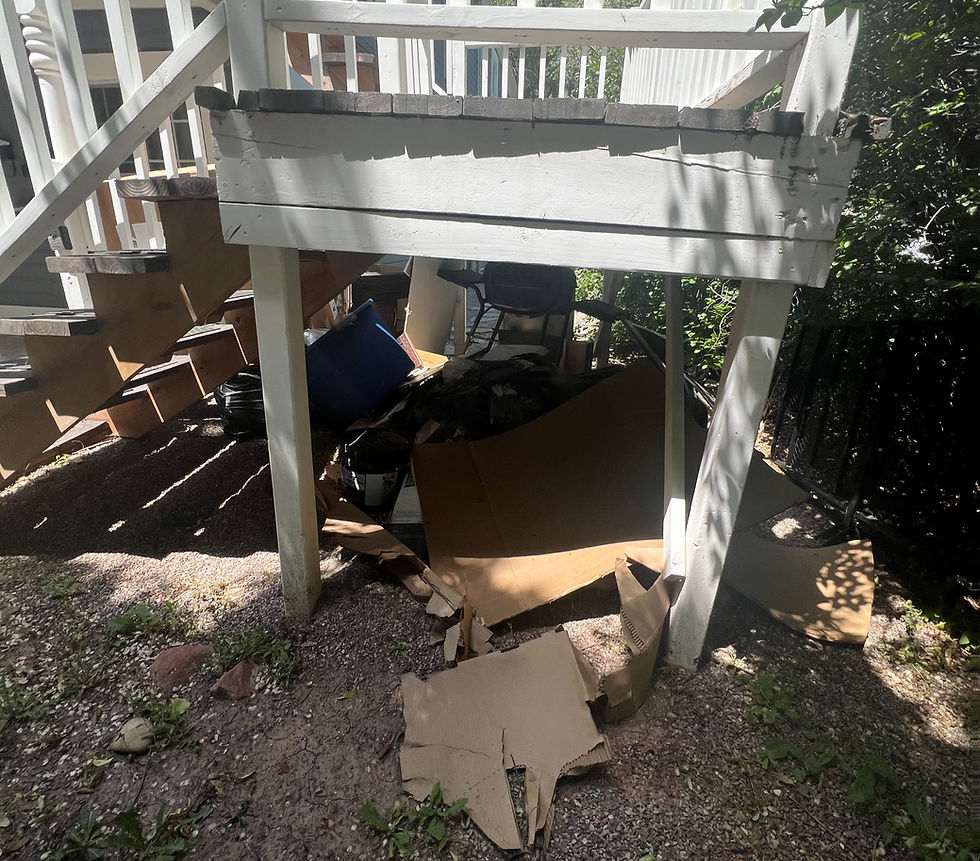
It’s rarely one big mistake. It’s a series of small decisions that compound. A property that isn’t consistently maintained starts to feel slightly behind the competition. Maybe the flooring shows more wear than it should. Maybe the paint isn’t as fresh. Maybe systems work, but not perfectly. Nothing that kills a deal outright—but enough that when a tenant or guest compares options, yours doesn’t stand out.
So what happens?
You adjust the price slightly to stay competitive.You accept a little more vacancy than expected.You rationalize it as “just the market.”
But it’s not just the market.
In Carbondale and Glenwood, that might mean leaving $200–$500 per month on the table on a long-term rental. Over a year, that’s real money. Over multiple years, it’s the difference between an average asset and a strong one.
In Basalt, where newer inventory is raising expectations, that gap becomes even more noticeable. Properties that feel even slightly dated or poorly maintained get pushed into a lower pricing tier.
At the same time, deferred maintenance doesn’t sit still. That minor issue you could have handled early turns into a larger repair later. Then a capital expense. Then something that actually takes the unit offline.
So you’re getting hit from multiple angles:
Lower achievable rent
More downtime between tenants or bookings
Higher long-term repair costs
All from a system that, on the surface, feels like it’s “working.”
Effective Rental Maintenance Strategies to Adopt
To maintain high tenant satisfaction, I recommend focusing on these key rental maintenance strategies:
Preventive Maintenance Schedule
Create a calendar for routine inspections and upkeep tasks. This includes checking plumbing, electrical systems, smoke detectors, and appliances. Preventive maintenance reduces emergency repairs and extends the life of property components.
Prompt Response to Repair Requests
Set clear expectations for response times and stick to them. Tenants appreciate quick action, especially for urgent issues like heating failures or water leaks. Use a reliable system to track and prioritize requests.
Quality Repairs and Upgrades
Always use skilled professionals and quality materials for repairs. Cutting corners can lead to recurring problems and tenant dissatisfaction. When possible, upgrade aging fixtures or appliances to improve tenant experience.
Regular Property Inspections
Conduct inspections with proper notice to identify potential problems early. This also helps ensure tenants are maintaining the property responsibly.
Clear Communication and Tenant Education
Provide tenants with maintenance tips and guidelines. For example, explain how to prevent frozen pipes in winter or how to care for appliances. Clear communication fosters cooperation and reduces avoidable issues.
By integrating these strategies, you create a maintenance program that supports tenant comfort and protects your investment.
What are the 5 Basic Functions of Maintenance?
Understanding the core functions of maintenance helps in designing an effective program. The five basic functions are:
Inspection
Regularly examining the property to detect any defects or potential problems early.
Detection
Identifying issues through tenant reports, inspections, or monitoring systems.
Correction
Repairing or replacing faulty components to restore proper function.
Prevention
Taking proactive steps to avoid breakdowns or deterioration, such as lubrication or cleaning.
Improvement
Upgrading or enhancing property features to increase value and tenant satisfaction.
Each function plays a vital role in maintaining a safe, comfortable, and attractive rental property.

How Quality Maintenance Boosts Tenant Retention
Tenants who experience consistent, high-quality maintenance are more likely to renew their leases. Here’s why:
Trust and Reliability: When tenants know their concerns will be addressed promptly, they feel respected and secure.
Comfort and Safety: Well-maintained properties reduce inconveniences and hazards, improving daily living.
Property Pride: Tenants take better care of homes that look and function well, creating a positive community atmosphere.
Cost Savings: Preventive maintenance reduces costly emergency repairs, which can disrupt tenants and cause dissatisfaction.
For property owners and investors, this means less turnover, fewer vacancies, and a stronger reputation in the market.
What High-Performing Properties Do Differently
The properties that consistently perform at the top of the market don’t look dramatically different at first glance—but they feel different.
They’re tight. Clean. Consistent. Nothing feels deferred.
That doesn’t come from reacting faster. It comes from operating differently.
Maintenance is planned, not improvised. Seasonal work gets done before it’s needed, not after something fails. Vendors aren’t being sourced on the fly—they’re already in place and know the property. There’s regular visibility into condition, so small issues get handled before they become noticeable.
Because of that, when the property hits the market, it shows the way it should.
And that translates directly into performance:
Stronger rent positioning
Faster lease-up or booking velocity
Better tenant retention
Fewer disruptive repairs
It’s not about over-maintaining. It’s about maintaining at a level that keeps the property competitive.
Why This Matters More in the Mid-Valley
The Roaring Fork Valley is not a forgiving environment for deferred maintenance.
Carbondale and Glenwood see real seasonal wear. Freeze and thaw cycles, weather exposure, and full-time occupancy all take a toll on systems and exteriors. If you’re not staying ahead of that, things degrade quickly.
Basalt sits in a unique middle ground. It’s attracting higher-quality inventory and more discerning renters, which means expectations are rising. Properties that haven’t kept up get left behind faster than they used to.
Snowmass adds another layer. Guests are paying enough that they expect everything to work without question. Maintenance issues don’t just create inconvenience—they impact perception, reviews, and ultimately revenue.
And for many owners, there’s an additional challenge: you’re not local. That makes it harder to see issues early, harder to coordinate vendors, and easier for small problems to turn into bigger ones before anyone catches them.
Where Altitude Fits In
This is where most owners start to feel the limits of handling it themselves.
At Altitude Property Management, maintenance is treated as part of the performance of the asset—not just a response function.
The focus is on keeping the property in a condition where it can consistently compete at the top of its segment. That means staying ahead of issues, maintaining a reliable vendor network across Carbondale, Basalt, Glenwood, and Snowmass, and having ongoing visibility into the condition of each property.
It’s not about adding complexity. It’s about tightening the system so the property runs the way it should—both operationally and financially.
Get your rental income analysis
We’ll show you:
What your property should be renting for in today’s market
Where condition and maintenance may be holding it back
Specific opportunities to increase income and protect long-term value
Closing Insight
Most owners focus on pricing, marketing, or occupancy when trying to improve performance.
But in the mid-valley, condition is often the underlying driver of all three.
If maintenance isn’t dialed, you’re not just dealing with repairs—you’re discounting your own asset.
Get that right, and everything else—rent, retention, and long-term value—starts to move in your favor.


Comments